Romani RICHWILT.
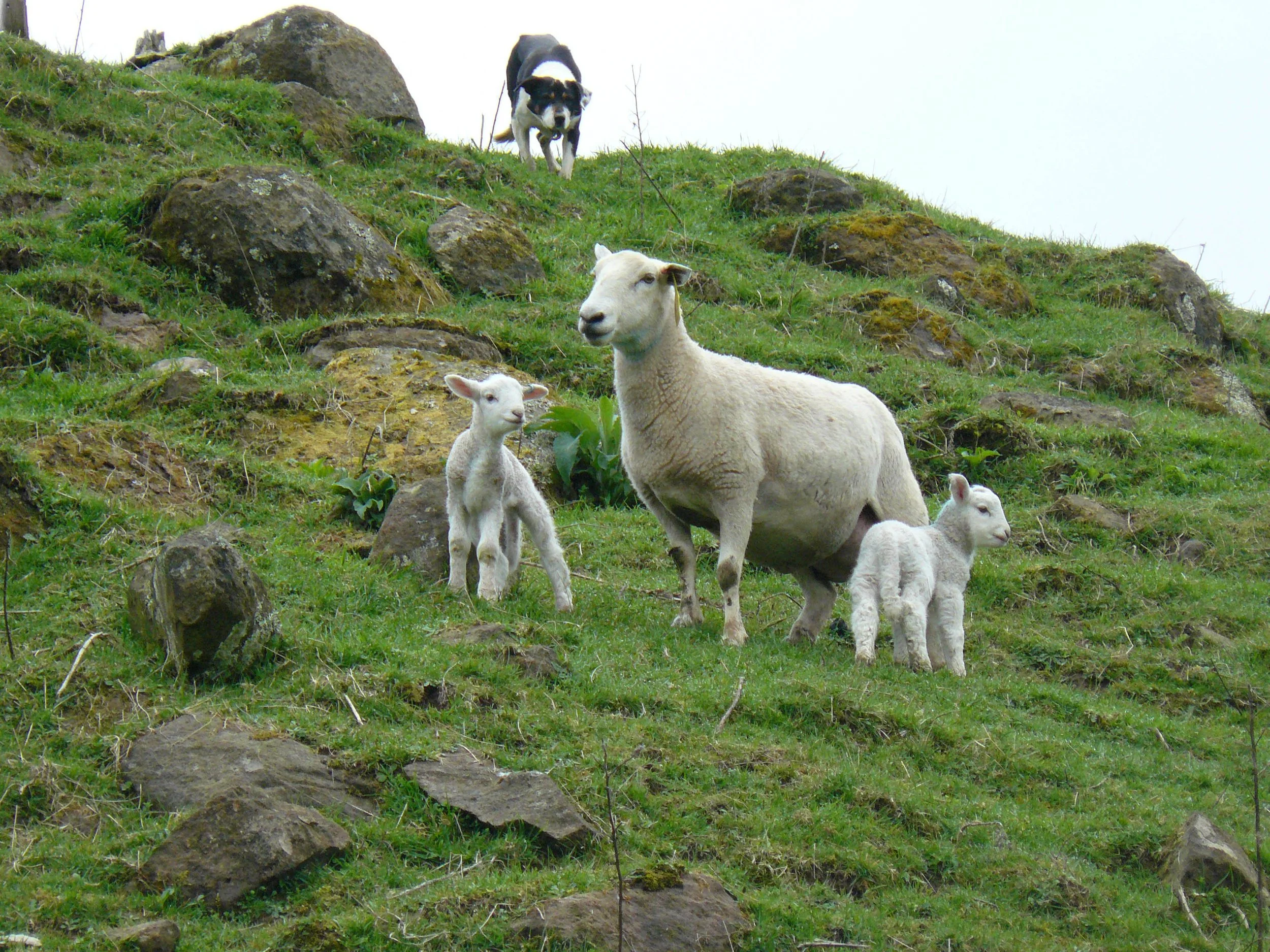
We didn't buy a shedding flock. We built one. RICHWILT sheep are bred for performance, not just for less work.
Our Shedding Story.
Our RICHWILT shedding flock was founded mainly from ewes that were carefully selected after a thorough physical examination from the Arvidson Wiltshire flock, plus other ewes from unrecorded commercial flocks and from the Glenbrae flock dispersal.
Every ewe was carefully examined, and any showing structural faults, especially in feet or teeth, was rejected.
We have since added in some Exlana genetics, which has brought an improvement in body, temperament and fertility, but dilutes the FE tolerance, so we have limited the level of Exlana.
The main outside genetics we have introduced to the RICHWILT flock have been from our Coopworths, as they have all of the traits the NZ shedding sheep need; great FE tolerance, worm tolerance, flystrike tolerance, calm temperament, mothering ability and more.
We are now selecting the best from that melting pot and dropping out anything that doesn’t meet our criteria.
Click the link below to see the Genetic Trend Graphs for the Romani RICHWILT flock.
Rams by Private Sale •
Rams by Private Sale •
Genetics that Endure.
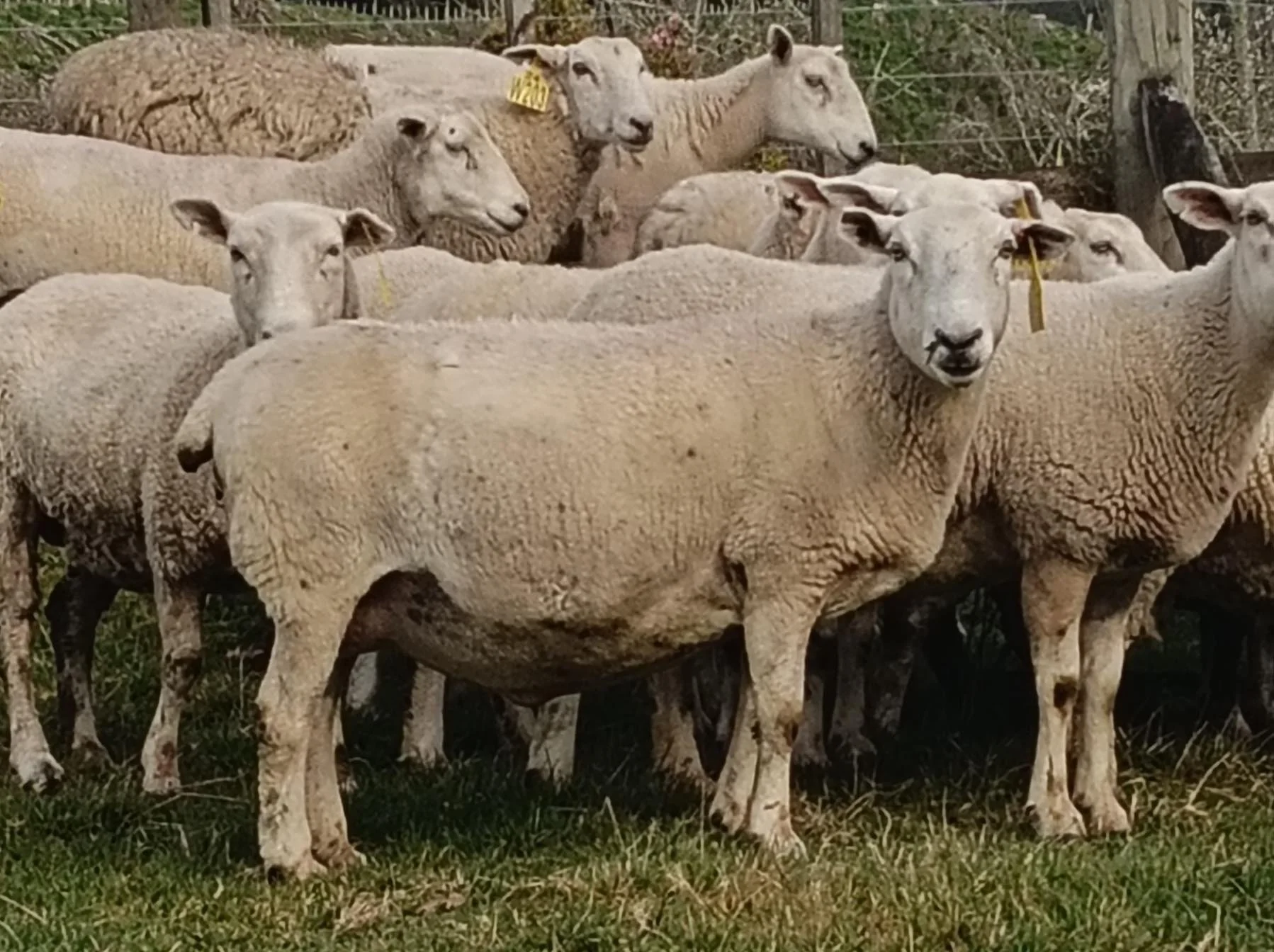
We're focused on physically robust, disease-tolerant sheep that are fit for our environment, requiring minimal input and handling.
Ewes are lambed at high paddock stocking rates, often 30 to 50 ewes /ha, and are disrupted daily as newborn lambs are tagged.
Once weaned, ram lambs are left undrenched for 8 to 10 weeks before being individually FEC tested. They are then left undrenched for a further 2 to 3 months. Through all this they are fed just enough to keep them going. The idea is to put maximum pressure on them to sort out the weak from the strong. Romani RICHWILT are WormFEC Gold certified.
Ewe lambs are fed better to grow them sufficiently for hogget lambing, but the use of drench is still minimised. They are all left undagged to ensure accurate dag score, and undipped to ensure maximum pressure from flystrike.
We muscle scan all the ram lambs in the autumn to assess meat yield and also measure intramuscular fat to ensure that we preserve the great eating quality that NZ lamb is famous for.
The RICHWILT ewes and lambs are shedding scored at weaning and again in February.
Data is collected on all lambs, even the culls.
Ewes are run with the commercial flock all year except at tupping and lambing.
We are among the founding members of the Shedding Sheep Improvement Group, a group of 26 breeders from across NZ who are setting high standards for data collection. We are working together to create strong genetic connectivity to enhance the accuracy of breeding values and achieve maximum genetic gain.
Breeding Objective.
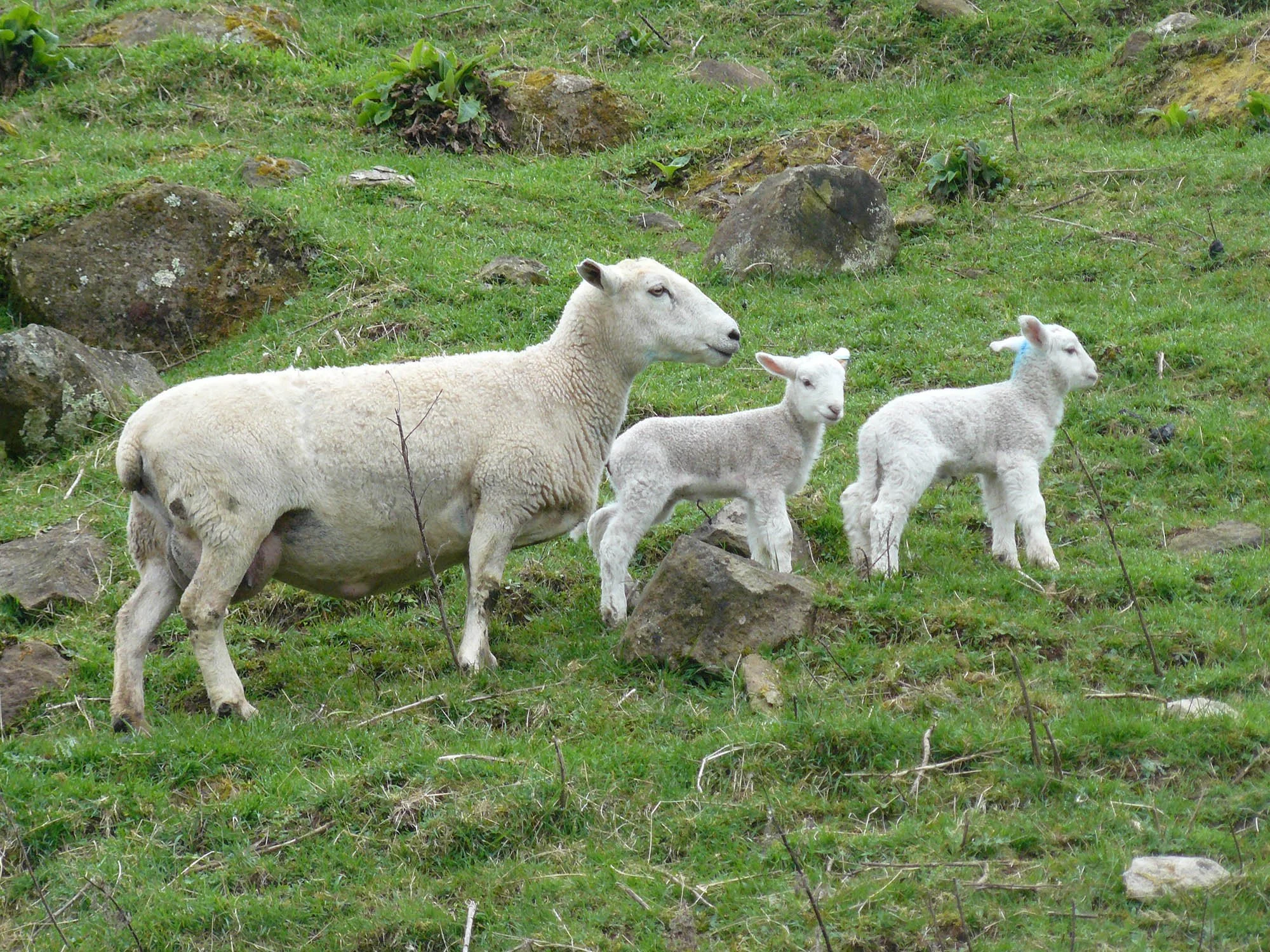
Our breeding objectives for our no-wool RICHWILT flock are:
No wool. They grow just enough wool to keep them warm through the winter without wasting energy growing more than they need. They shed that down to a hair-type coat for the summer, much like cattle do, with less risk of flystrike with a hair coat. Cattle rarely get flystrike.
Temperament. They are calm and sensible enough to be easy to work with regardless of how often they are handled, both in the paddock and especially in the yards.
Fertility. Scanning 170 to 200 percent depending on the season or farm objectives, managed by level of feeding at tupping.
Lamb survival. Weaning 150 to 170 percent. Lamb losses from scanning to weaning of 12 to 15 percent. Moderate birth weights and vigorous lambs that get up and go within minutes of hitting the ground.
Mothering ability. Ewes displaying exceptional mothering ability to limit lamb losses and ensure lambs get off to a great start in life.
Lamb growth. Ewes that milk well to get Lambs growing at 250 to 350 grams a day to reach 32 to 36kg at 90 days old, ensuring plenty can be on a truck at weaning.
Adult size and condition score. Moderate sized ewes, 60 to 70kg that hold their condition between CS 3 and CS 4 from weaning to tupping.
Meat yield and eating quality. Sheep with a good meaty carcase, lambs yielding 48% to 52% of liveweight with adequate fat cover and good levels of intramuscular fat.
Disease tolerance. Excellent Facial Eczema and worm tolerance. We are currently Ramguard testing at .57 and will keep lifting the dose rate year by year. Currently, the flock average DPF index for WormFEC is 626 which puts them in the top 20% in the country. More importantly, the genetic gain we are making is rapid and sustained.
Structural soundness. We visually assess and score every animal for 3 feet traits, 3 leg traits and 2 teeth traits annually. That data all gets computed into breeding values for those traits allowing us to cull animals if there is too high an incidence of a fault in their family, even if the individual animal doesn’t show that fault itself yet.
Rams by Private Sale •
Rams by Private Sale •