
Decades in the Making.
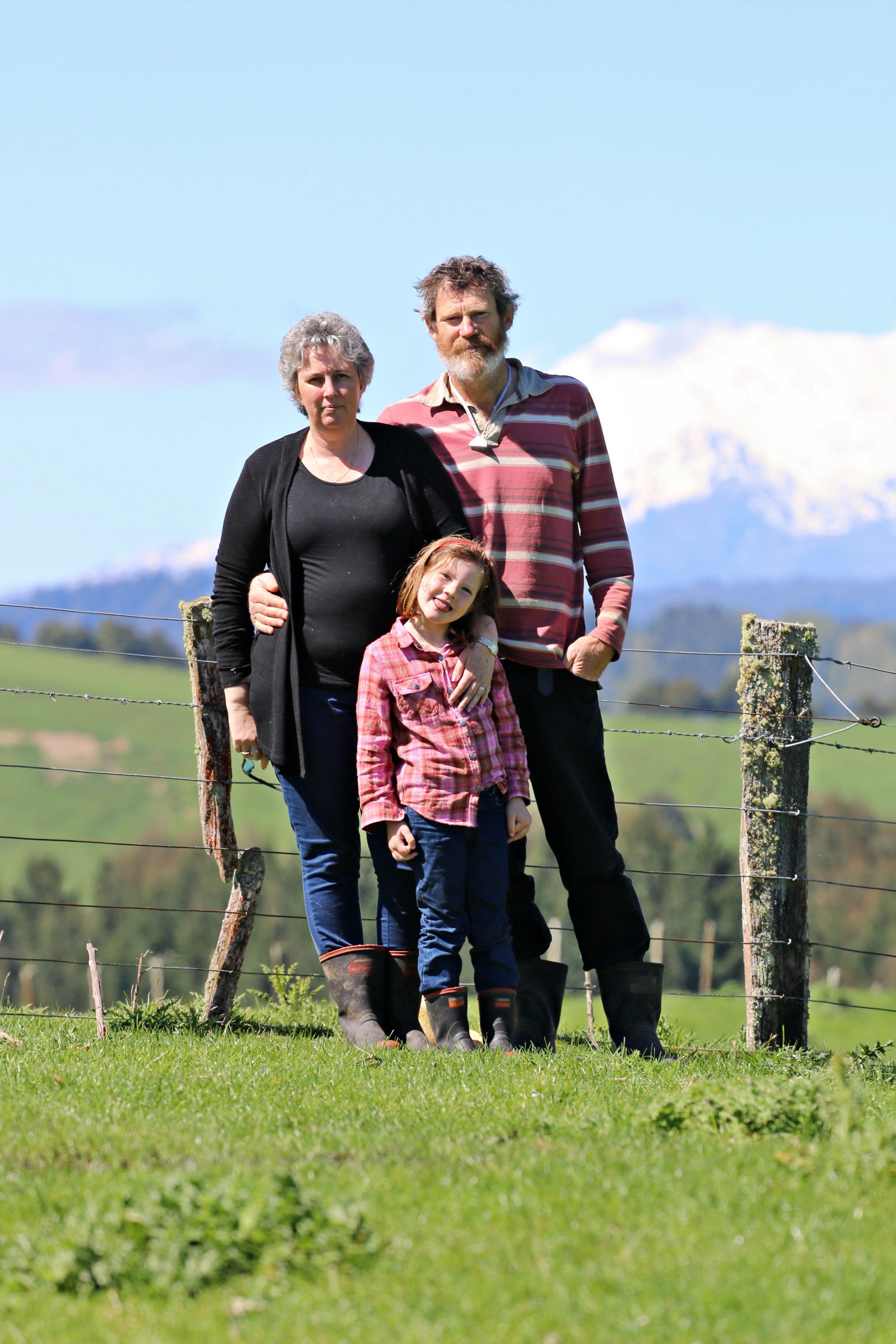
Romani genetics carry a history of dedication, research and passion, with the Coopworth built over more than 40 years by Edward Dinger, the man behind the breed's foundation at Ceres Farm and the Mid North Coopworth Company (MNCC).
Edward began breeding Coopworths in 1975, and from 1984 spent over 30 years breeding specifically for Facial Eczema (FE) tolerance. Over that time, he built an industry-wide reputation for rams that combined FE tolerance with breed leading fertility, fleece weight and growth rate figures.
Ross and Ruth Richards had been long time clients of Edward's, using his genetics in their own flock for well over a decade, so when Edward finally called time on a much delayed retirement in 2015, they were top of his list as preferred purchasers of the MNCC stud stock. It proved that good things don't necessarily have to end, just change hands.
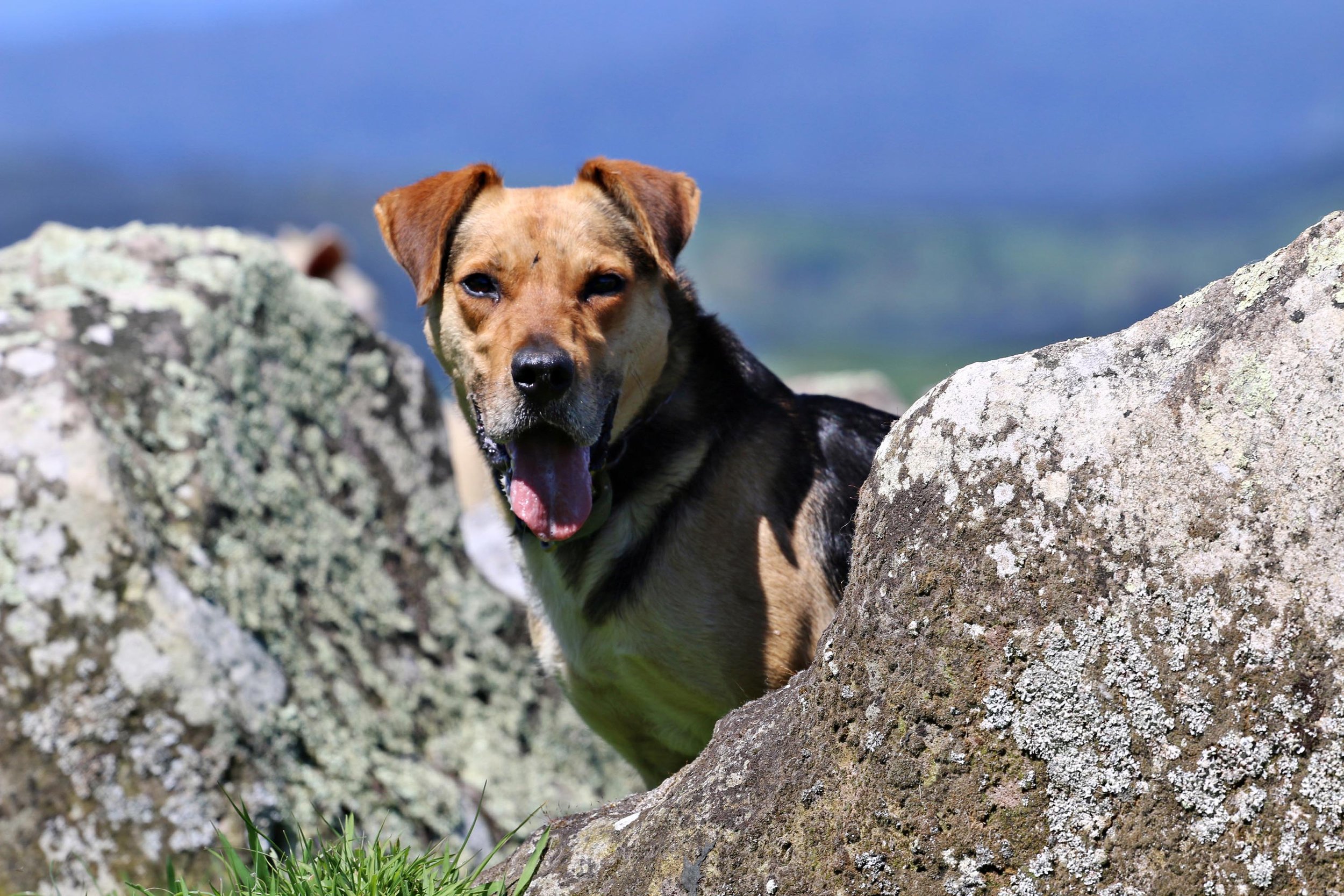
The Richards' property, named Romani after the Battle of Romani, where Ruth's grandfather fought in WWI, lies east of Taumarunui, where tough winters and increasingly unreliable summers push stock to their limit. FE tolerance remains central to Romani's breeding programmes and Romani Coopworth rams now test to a tolerance level of .68mg/kg liveweight, among the highest of any breed. Alongside FE tolerance, the Richards have also worked hard on building the flock's worm tolerance. No lambs are drenched until 6 to 8 weeks after weaning; ram lambs are faecal egg counted, drenched and put onto a lower feed regime, then left a further 10 weeks before their next drench. Those that manage the tougher conditions tend to show meatier carcass traits, possibly influenced by the Texel component's naturally higher worm tolerance.
Romani started the RICHWILT shedding flock in 2019, founded mainly from ewes that were carefully selected from the Arvidson Wiltshire flock, plus other ewes from unrecorded commercial flocks and from the Glenbrae flock dispersal. Ross and Ruth also incorporated genetics from the Romani Coopworth flock.
In 2026 Romani achieved SIL NZ Maternal Worth and Meat indices of 2500 to 5300, with the Meat Index contributing up to 1500 and the Growth Index reaching as high as 3200. More important is the balance across the traits, with many animals in the top 20% for most traits.
The Richards are proud to offer sheep genetics that build from the past toward the future, offering their clients New Zealand’s leading sheep genetics, providing low-input, resilient, robust, fast-growing, high-yielding genetics built for modern sheep farming.